

Cleveland, Ohio
Inclusive Economic Development
Hosted by Governor David Beasley,
In partnership with ACT NOW, the City of Cleveland,
Strategic Nonviolence Academy, & Site Readiness for Good Jobs Fund
September 16, 2026

Your Cleveland Conversation
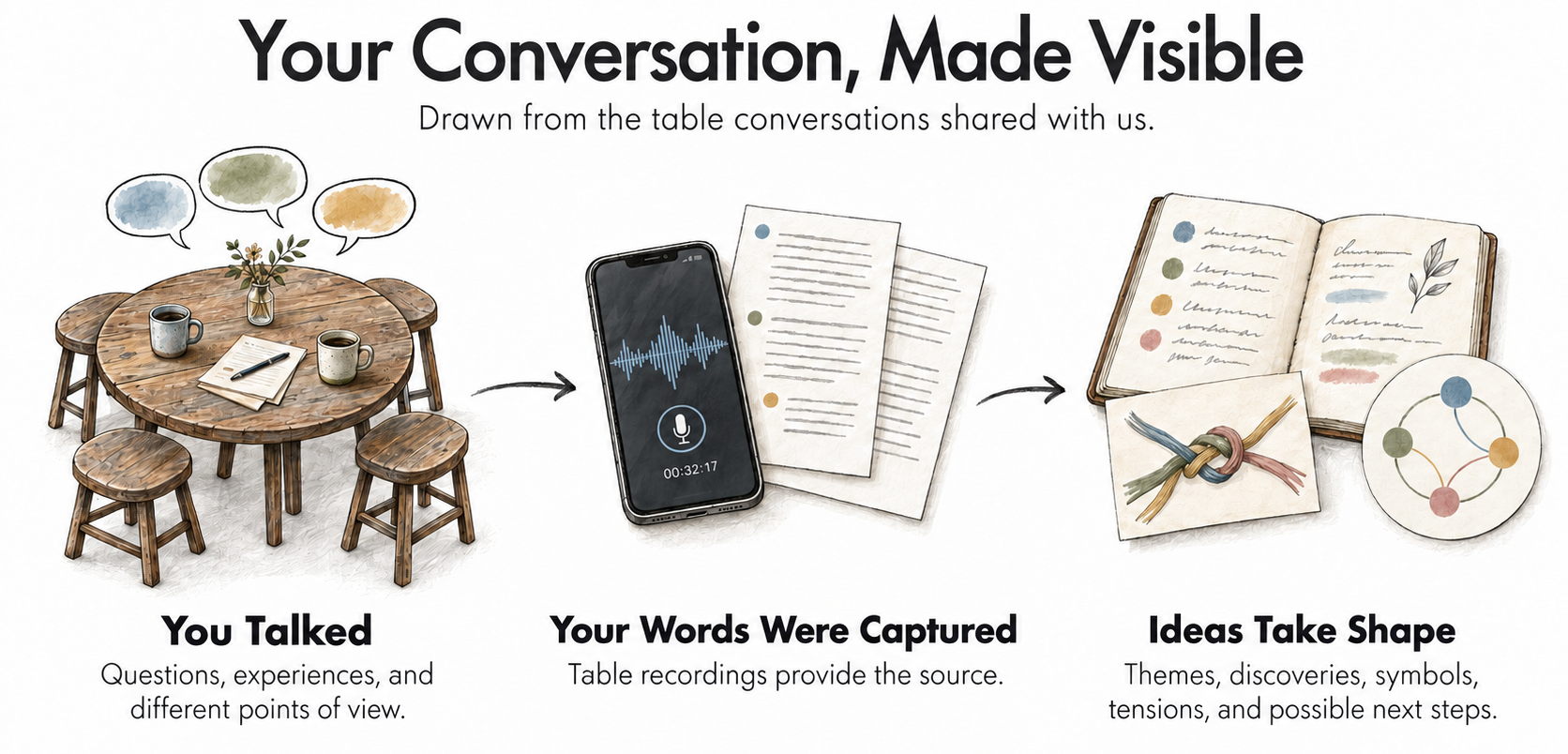
Thank you for being part of Breaking Bread Together in Cleveland. You were one of the voices that shaped this conversation. Here, you can revisit ideas from your table and discover what others were thinking about jobs, opportunity, and what it would take for more Clevelanders to share in the city’s future.
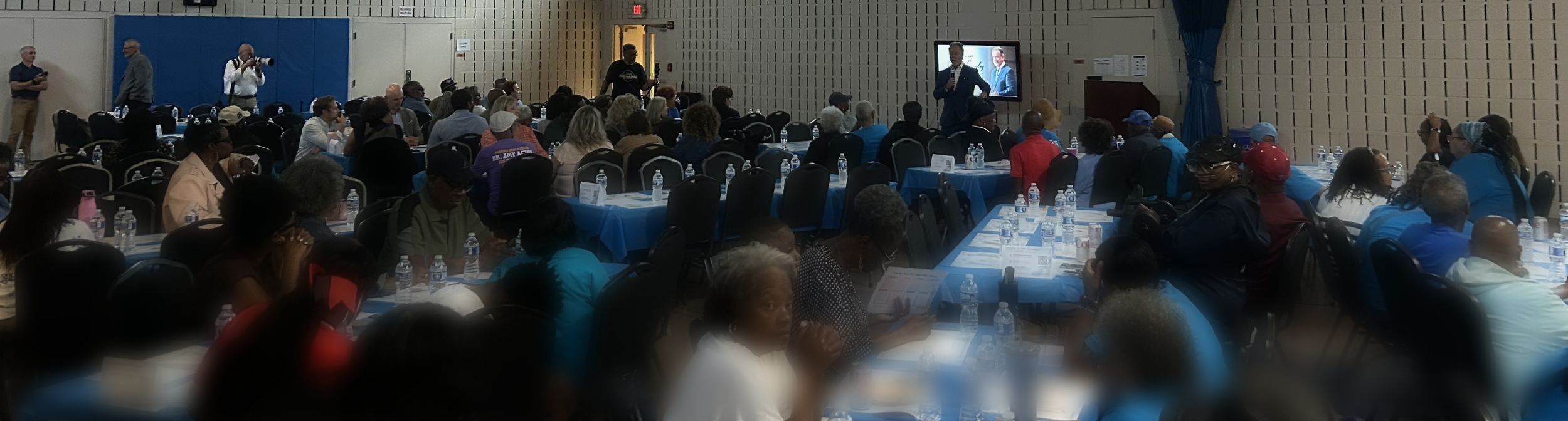
Governor David Beasley initiated this discussion as part of Breaking Bread Together’s effort to bring people together, listen to their experiences, and explore shared concerns. In his opening remarks, he emphasized listening across differences, learning from one another, and turning conversation into action.
The Cleveland conversations explored how Midline, a project to clean up and reuse former industrial land, could benefit the people already here.
This report brings together what you shared so participants, community members, organizers, and developers can understand different perspectives, see connections, and identify practical next steps.
About This Report
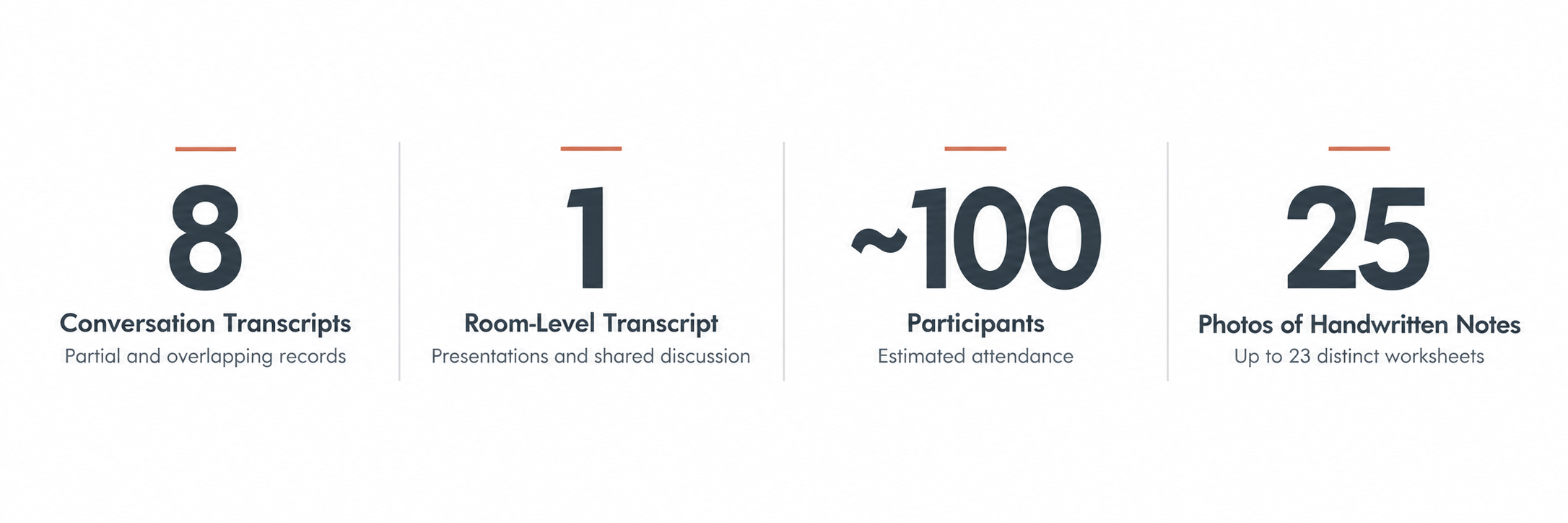
This report brings together the experiences, concerns, and ideas shared by participants in Cleveland. It draws on the recordings and handwritten notes we received, which capture only part of the evening’s conversations. We welcome corrections and additions. Further conversations with people seeking work or training will help deepen these findings and guide practical next steps.
What We Heard
People described development that brings good jobs, improves daily life, and gives the people already here a real say. They also asked who would benefit, what help people would need, and whether they could afford to stay.
Key Themes
Participants talked about practical training, teachers willing to help, and manageable ways to get started. They also named childcare, transportation, and household pressures that can make participation difficult.
People need support that helps them prepare for work and remain secure as they move forward, no matter their starting point.
Training and
Support
Matching Local Skills
With Job Opportunities
The neighborhood already has skilled workers, businesses, and ideas worth building on. Participants described qualified people being overlooked and asked for opportunities that connect with what residents know and want to do. Others reported skill gaps between their readiness to work and job duty requirements.
Better connections among residents, employers, training providers, and developers could help existing skills find paid work and guide preparation for new opportunities.
People wanted to know what was coming while there was still time to prepare and help shape it. They asked which jobs were being planned, what those jobs would require, and how residents could be involved before major decisions were made.
Clear, timely information gives people more to work with when making choices about their own future.
Early Information
and a Voice
Emerging Insights
As people shared their experiences, connections began to emerge between creating opportunity and making it work in everyday life.
Different Barriers
Need Different Answers
Many people described a need for training, for all levels of entry. Others described skilled local workers being passed over for nearby jobs. These concerns call for different responses. Training can help people prepare as well as progress, while fair hiring and contracting practices help make sure existing skills are used.
A Paycheck Does Not Tell the Whole Story
The value of a job depends partly on what it costs a family to take it. Childcare, transportation, and the loss of benefits can eat into new earnings. The discussion points to a fuller measure of success: whether work leaves a household more secure.
Moving Up Should Not Require Moving Away
People wanted better jobs, homes, streets, and services while also raising concerns about rising costs. These hopes and concerns belong together. Neighborhood improvements can fall short for longtime residents if they cannot afford to remain and enjoy them.
Ownership Can Extend the Benefits of Development
Local hiring brings income into households. Local businesses and employee ownership can also help keep earnings and decisions in the neighborhood. These ideas widen the discussion beyond job openings to who builds lasting resources and who can benefit, including people who are no longer looking for work, or as some residents stated, “past working age.”
Clear Information and a Real Say Must Go Together
People brought knowledge of their neighborhoods alongside unanswered questions about Midline. They can better judge what a plan means for them when they know which jobs are coming, what could change, and which decisions are still open. Those leading the project have a responsibility to make that information clear and widely acccessible while residents can still help shape the plan.
Inclusive Economic Development
TENSION MAP
Development can bring improvements and create new pressures at the same time. People can welcome new investment while worrying about whether they can afford to stay. This map brings those realities together so we can better understand what progress requires.
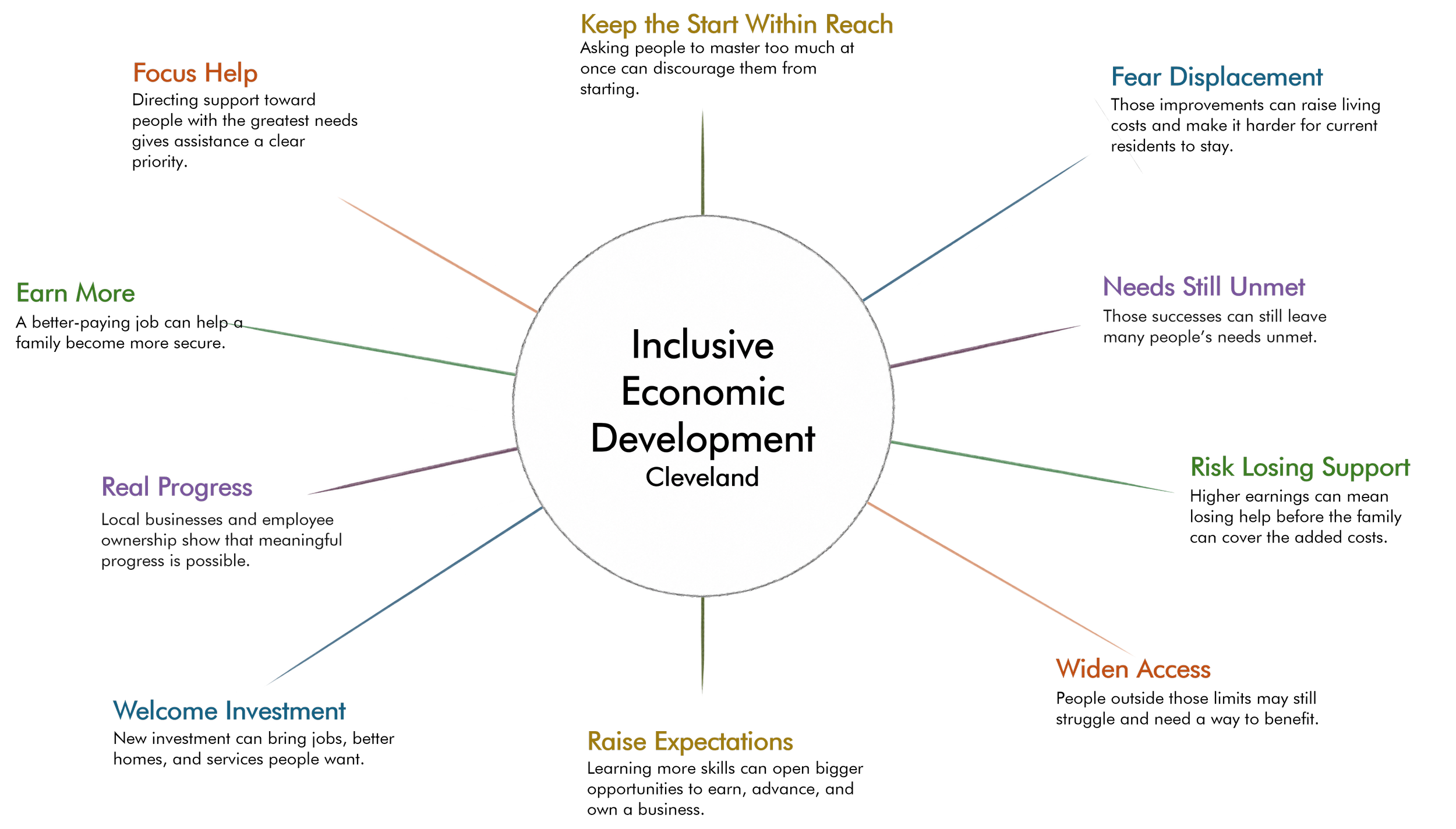
Holding Multiple Truths at Once
Conversations about inclusive economic development ask us to hold several realities together. New investment can improve a neighborhood and make it harder for people to stay. Earning more can help a family while putting needed support at risk. Seeing both realities helps us understand what is working and what still needs attention. The table below offers practical ways to work with both.
Some things we can change, some we can influence, and others we need to adapt to. Knowing the difference helps us choose where to put our effort, where to work together, and what support to seek. It also helps us name what employers, project leaders, and public agencies need to do when the decisions are in their hands.
Our Conversation in Pictures
These images grew out of the concerns, hopes, and experiences shared around the tables in Cleveland. Each offers another way to explore what people were saying. You may recognize something you felt, see a neighbor’s concern differently, or discover a connection you hadn’t considered.
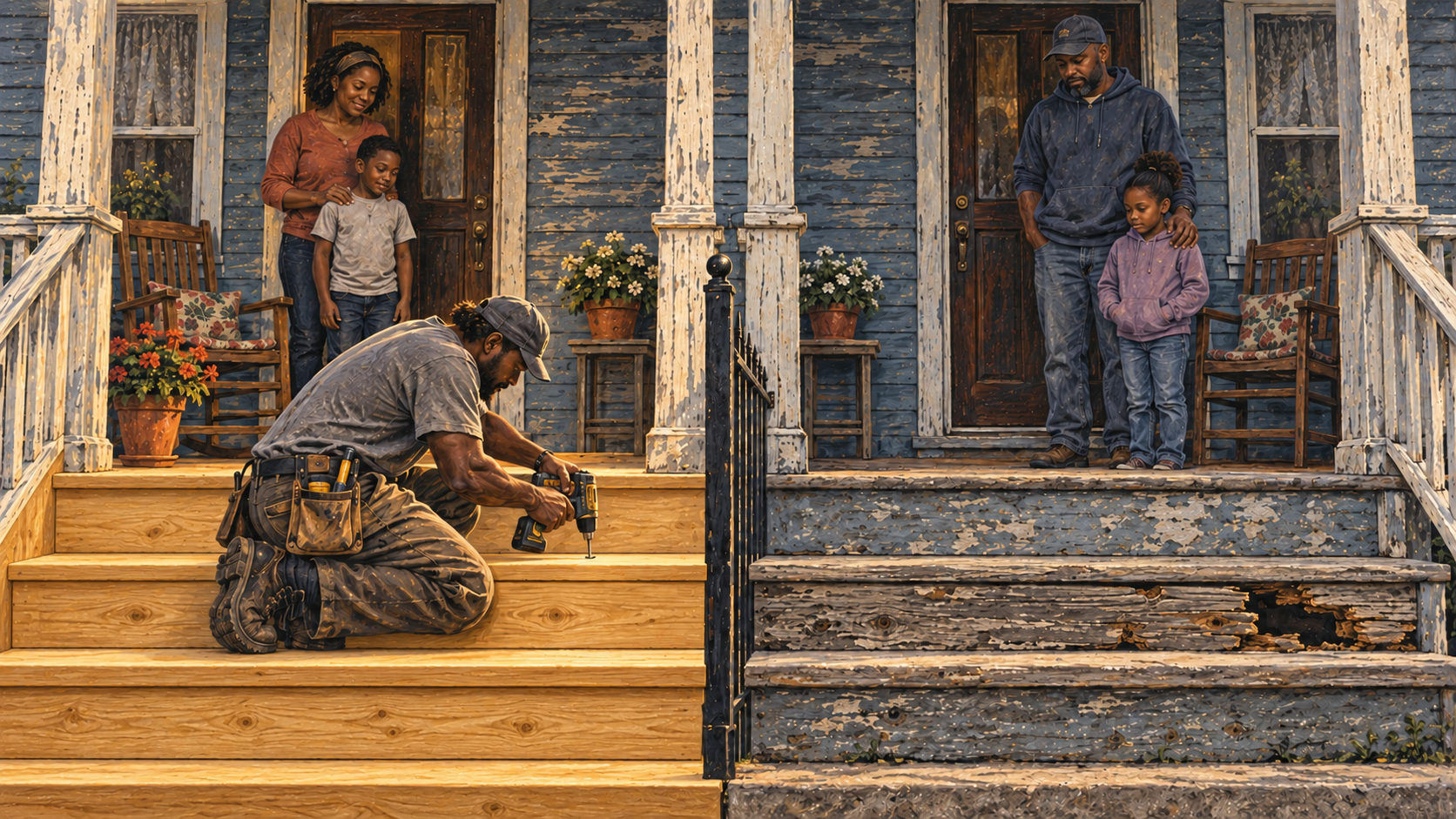
In the Shadow of Progress

Participants spoke about wanting good jobs, nearby services, and improvements to their neighborhoods. They also described housing priced beyond residents’ reach and concerns about families being pushed out.
This symbol asks whether the people already here have a place in the future being built around them. A neighborhood can attract investment while its residents remain uncertain about their own security. What would help them stay and share in the improvements? How can their knowledge shape the plans, and what commitments should developers and public agencies make from the beginning?
A Light in One Window

Participants pointed to an employee-owned business and a Black-owned restaurant hiring neighbors as examples of progress already happening. In that same table conversation, they raised concerns about larger institutions and whether residents had a voice in the development around them.
A local success can change lives while many needs remain unmet. This symbol invites us to value what people have built while asking what it will take for more neighbors to benefit. How do we support these efforts so they can last? What must larger employers, investors, and public agencies contribute? The work of improving a neighborhood cannot rest on its small businesses alone.
Where Help Stops
One participant described middle-class residents who still struggle but feel shut out of support. Another raised concerns about older residents being left out of economic opportunities once they are past working age. These comments asked us to look more closely at who gets included and who gets overlooked.
This symbol explores the gap between qualifying for help and needing it. Programs may need clear limits, but people’s needs do not stop at those limits. Who is left just outside the rules? How can program leaders focus help on those with the greatest needs while creating other ways to support people who still struggle?
Our Neighborhood Is Not a Blank Page
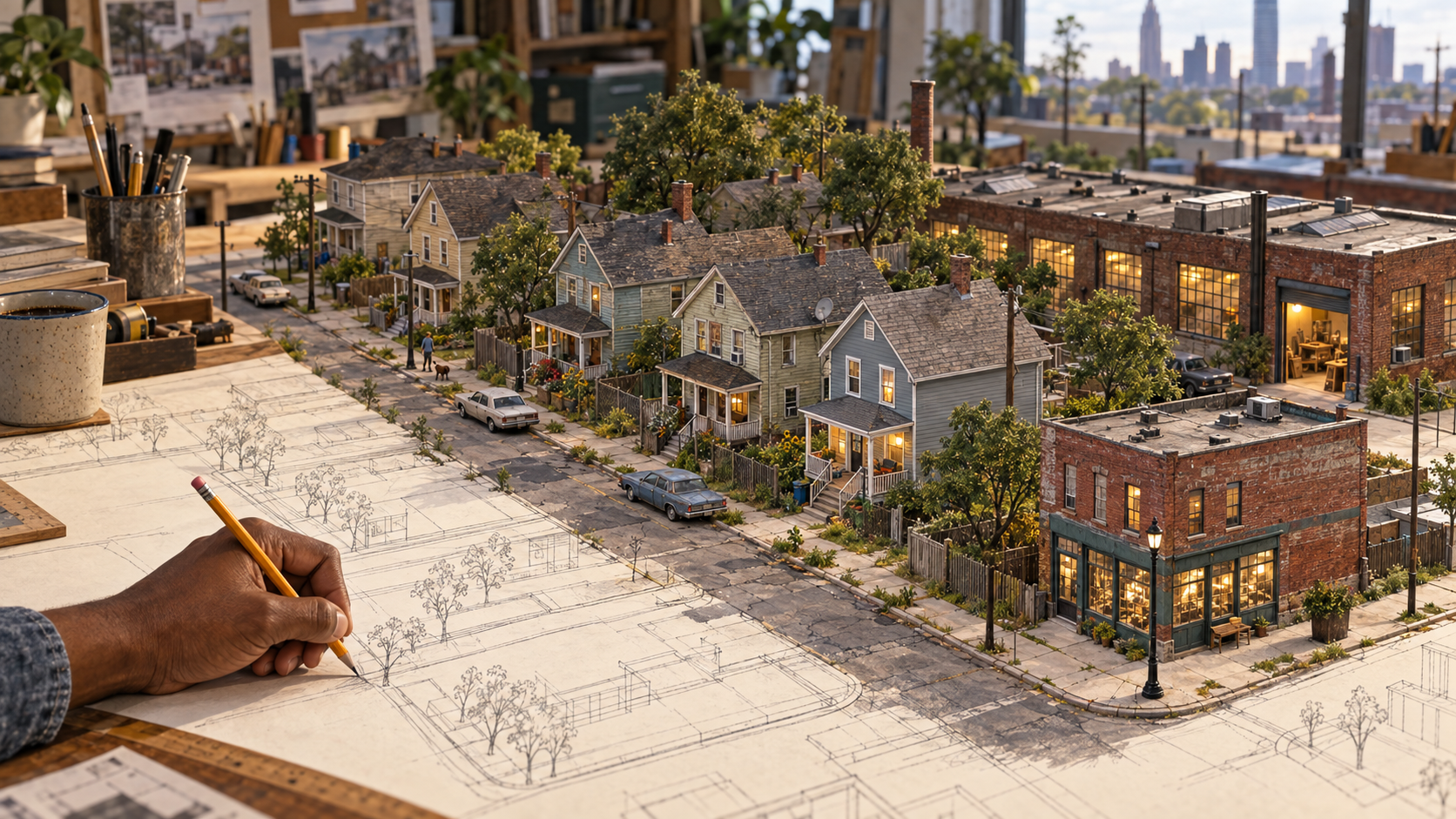
A neighborhood holds lives, relationships, businesses, and knowledge long before a new plan is drawn. Participants asked to help shape development from the beginning and to share in its benefits without losing their place here. The question is how new investment can build on that history and create possibilities for the people already part of it.
For planners and developers, listening means making room for residents’ knowledge while decisions can still change. Be clear about what is proposed, what remains open, and how community input will influence the outcome. Those with authority over land, funding, and design have a particular responsibility to show how the concerns raised here will be addressed.
For community members, your experience belongs in that process. You know which places sustain daily life, where opportunities are difficult to reach, and what changes could make staying here harder. You should be able to see how that knowledge informs the plan, with clear answers about what can change, what cannot, and why.
When the First Step Is Missing

An opportunity can be real and still be out of reach. This session’s table conversation pointed to steps that can be missing between a job opening and someone’s ability to take it: preparation, transportation, childcare, or enough stability to begin. Seeing the gap clearly helps us understand where support can make a practical difference.
For employers, developers, and training providers, creating an opening is only part of the work. Explain which jobs are coming, connect preparation to their requirements, and ask what could prevent a willing person from participating. Those designing the opportunity have a responsibility to examine whether its first steps are actually reachable.
For community members, naming what stands between you and an opportunity gives that problem a clearer shape. You can ask where to begin, what preparation involves, and what support is available. Your willingness matters, but it cannot replace a missing bus route, affordable childcare, or a training pathway that has yet to be built.
The Cost of Holding Things Together
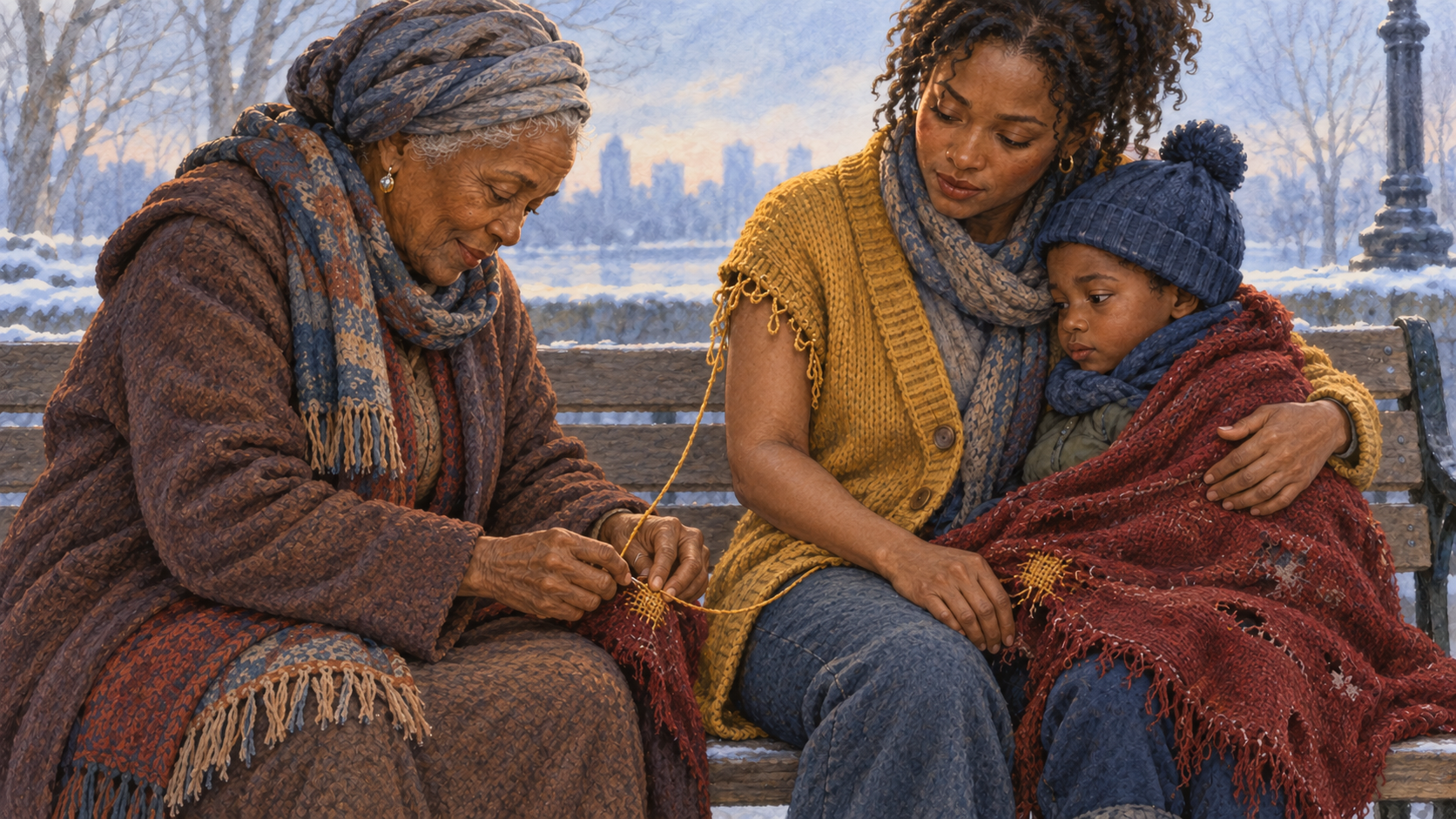
A participant warned that taking a better-paying job can mean losing help with food or childcare before a family can cover those costs. They asked for families to have time to build up resources before that support disappears.
This symbol explores what happens when meeting one need means giving up something else a family still needs. It recognizes the care people offer one another while asking how much sacrifice is being required of them. When we call something progress, are we looking at what the whole family gains and loses? What can employers, public agencies, and support providers do to make moving forward more secure?
When Earning More Leaves Less
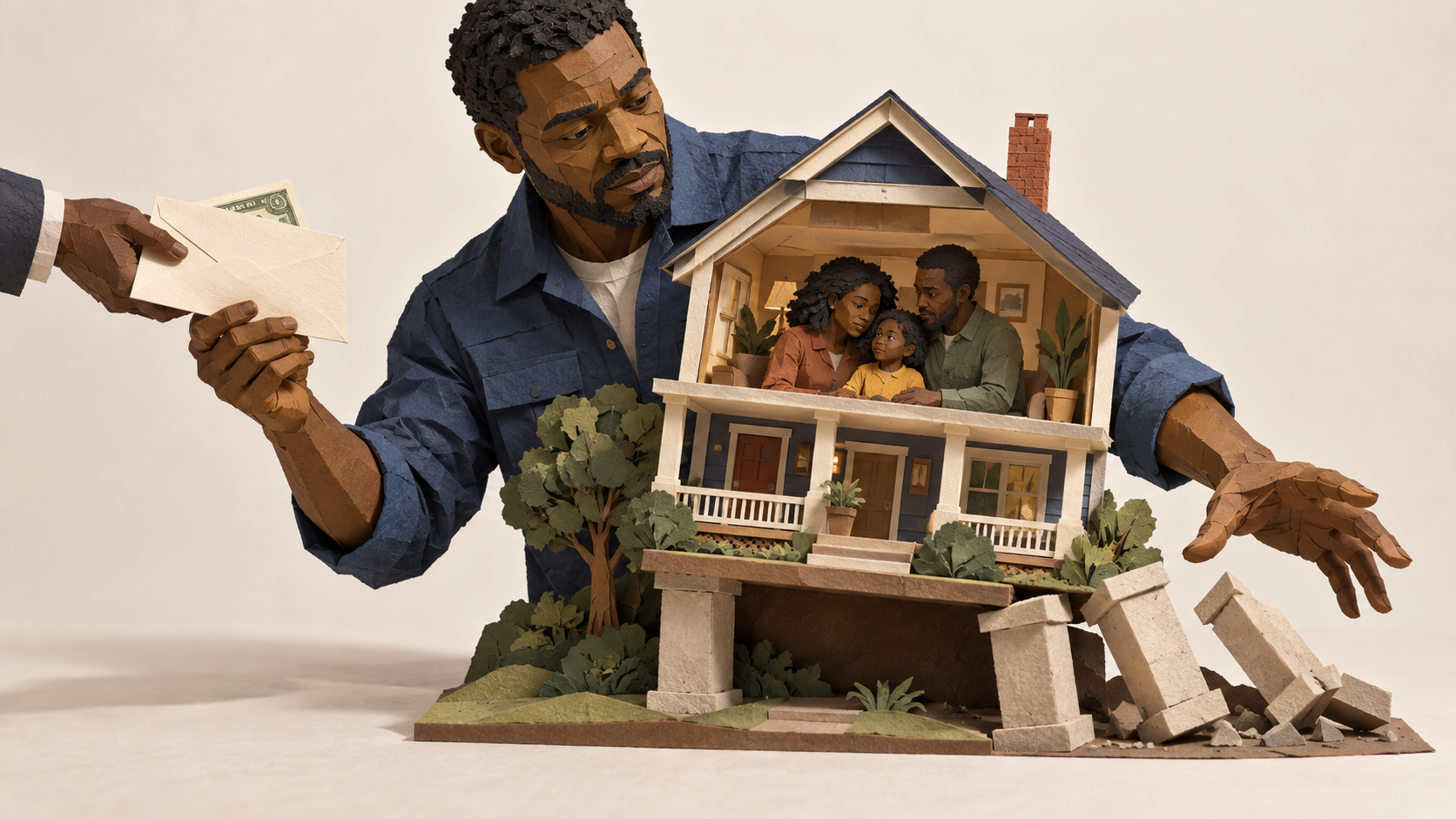
A participant warned that a new job can leave a family struggling if help with food or childcare ends before earnings cover the difference. They also connected the ability to keep working with school transportation and other everyday supports.
This symbol asks community organizers and developers to look beyond the paycheck. After income, costs, and benefits change, is the family actually more secure? What support needs to stay in place while they find their footing? Employers and public agencies have a role in making sure the move into better work gives families a stronger foundation.
What a Job Holds

A job reaches into parts of life that never appear in its description: whether rent gets paid, whether someone can be home for dinner, whether next month feels possible to plan. For Cleveland, asking what kinds of jobs to create also means asking what kinds of lives those jobs can support. Pay, predictable hours, and opportunities to advance all shape that answer. What would change if we measured economic progress partly by the stability and possibility people can carry home?
What May Be Missing
These questions grow out of the conversations and invite a closer look at what remains unclear. They are worth exploring together as residents, organizers, and project leaders consider what comes next. Some may have been discussed beyond the recordings and notes available for this report.
We May Not Know
Which Barriers Can Move
“That’s how the system works” can conceal very different situations. A barrier might come from a formal rule, a funding limit, an employer’s practice, or a decision someone has simply never reconsidered. Treating every barrier as permanent can waste possibilities; treating every barrier as easy to remove can waste effort.
Where to shine a light:
Who set this condition? Who can change it? What would changing it require, and what support is possible while it remains?
Ownership Brings Responsibilities Along With Possibility
The examples of local businesses and employee ownership offered real hope. Ownership can also involve uncertain income, ongoing management, maintenance, and responsibility when things go wrong. Some people may want ownership; others may benefit more from dependable employment with good conditions.
Where to shine a light:
What would ownership require in this particular case? Who carries the risk, who makes decisions, and what support would help people succeed after the business opens?
The Cost of Change May Be Easier to See Than the Cost of Waiting
Displacement and rising costs deserve serious attention. Delay can also carry costs if housing continues to deteriorate, services remain absent, or opportunities disappear. The useful comparison includes what is likely to happen under each available choice.
Where to shine a light:
What happens if this proposal proceeds, changes, or stops? Is there a better workable alternative, and who would be responsible for making it happen?
Some of the Community’s Capacity May Already Be
Present but Unconnected
The conversations included people with skills, business ideas, local knowledge, and willingness to help. Those strengths may remain scattered across households and informal relationships. People can leave a meeting seeing the scale of the need more clearly than the resources already around them.
Where to shine a light:
Who already knows how to do part of this? What would connect that ability to paid work, useful partnerships, or practical support? Recognizing community strengths should also mean valuing and compensating them, rather than expecting residents to keep filling gaps through unpaid sacrifice.
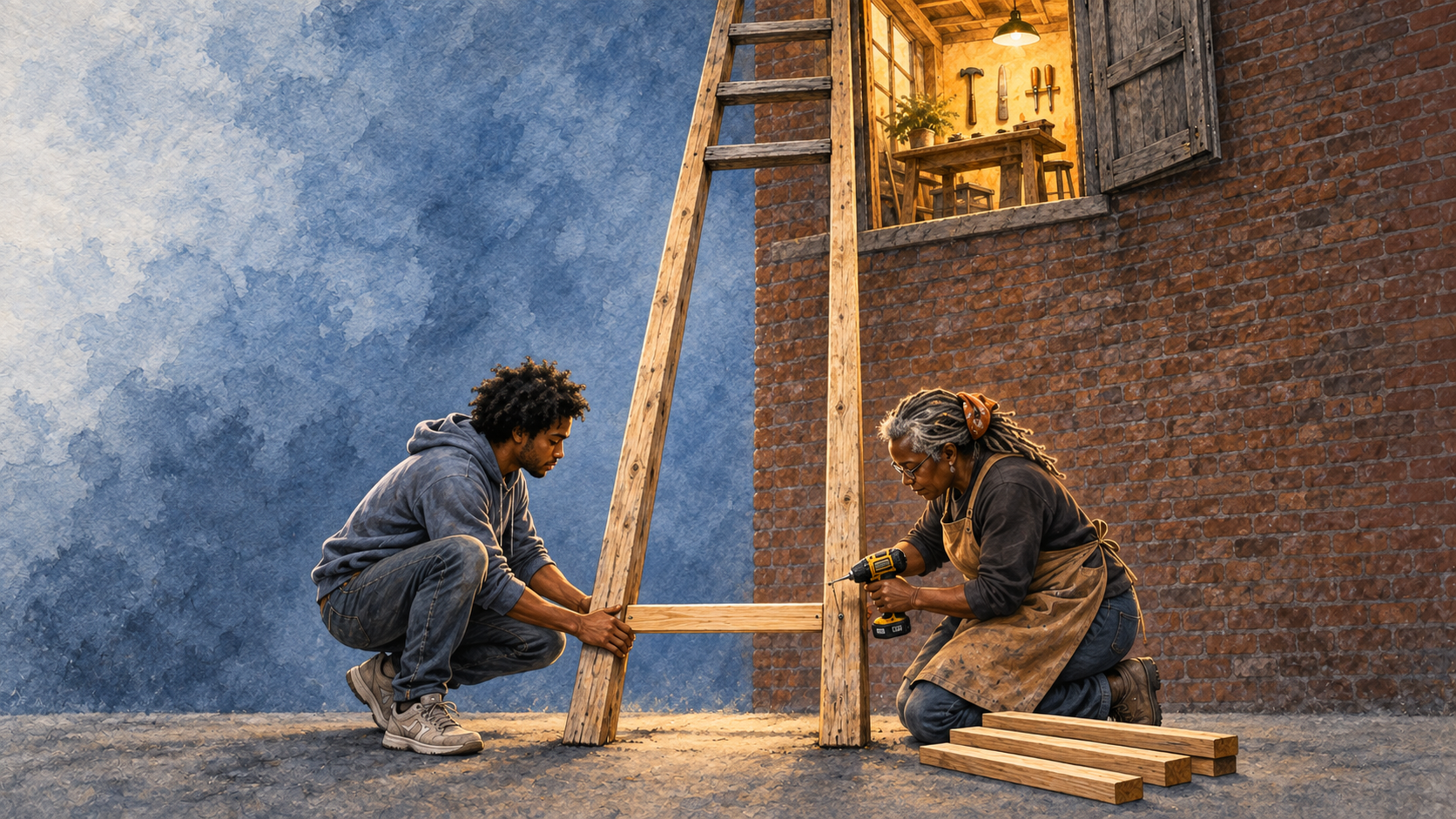
From Conversation to Practice
What Community Members Can Do Next
Here are five ways to take something from the conversation into your own next step.
Choose one issue from your table, such as local hiring, housing costs, or training. Send a specific question or request to the session organizers. Ask who can respond and when you can expect an answer.
Turn One Concern Into a Clear Request
Connect with someone from the session who shares your interest in a local business or employee ownership. Write down what you want to build, what you can contribute, and what help you need. Ask an existing business owner or support organization to help you understand the next step.
Explore One Idea for Local Ownership
Choose one preparation step you can take now, such as writing down your experience, practicing a needed skill, or completing an application. Ask for help where you need it.
Find the Next Step Toward a Real Opportunity
Talk with someone who could not attend. Ask what development would need to improve in their daily life and what concerns them. With their permission, share that perspective with the organizers and ask how they can take part in future conversations.
Bring Another Neighbor’s Perspective Forward
Keep a short record of the questions you raised and any commitments made in response. Ask project leaders to return with an update on what changed, what remains undecided, and how residents’ input was used. The responsibility for following through belongs to those who made the commitments.
Ask for a Progress Update
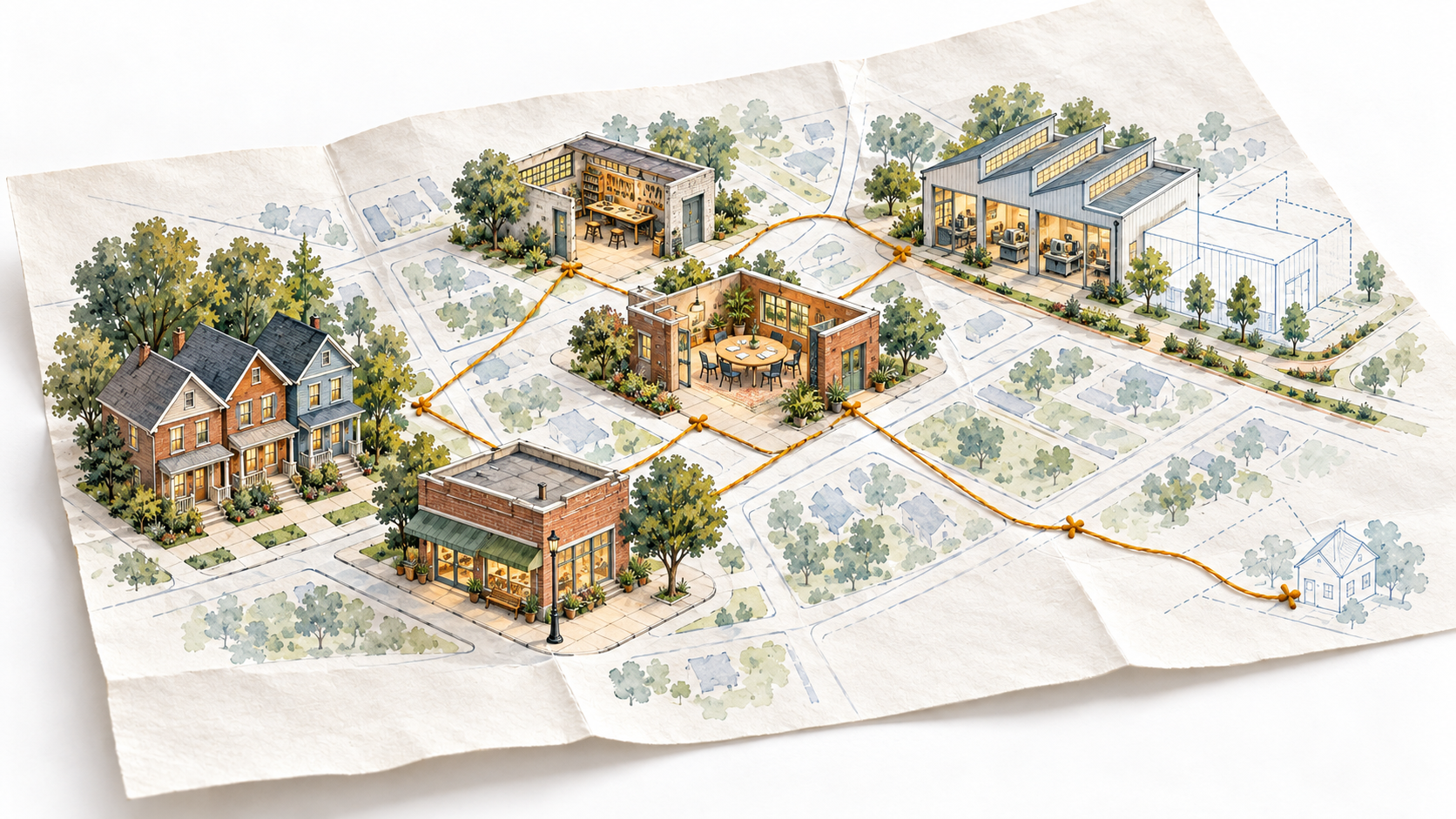
From Conversation to Practice
Strategic Nonviolence Academy and fellow community organizers can help carry this conversation forward with residents, the City of Cleveland, and the Site Readiness for Good Jobs Fund. These recommendations offer practical ways to bring more people into the discussion, connect them with useful information and opportunities, and keep follow-through visible.
What Community Organizers Can Do Next
Find Out What Residents Can Still Influence
Ask project leaders which decisions are still open, who makes them, and when they will be made. Help residents get involved before those decisions are final. Be clear about what their participation can change.
Work with residents to turn broad concerns into something a responsible person or organization can answer. A concern about jobs might become a request for paid training tied to actual openings; a concern about rising costs might become a request for specific measures that help current residents stay. Let residents confirm that the request reflects their priorities.
Help Turn Concerns Into Clear Requests
Reach beyond those who usually attend meetings. Ask renters, older residents, young people, and people whose work or caregiving keeps them away what they need and what concerns them. Offer ways to contribute that fit their lives, and check that you have represented their views accurately.
Bring in People
Who Are Missing
Connect People to Real Opportunities
Start with the skills, businesses, and ideas already in the neighborhood. Bring residents together with employers and support organizations to identify actual opportunities, clear requirements, and someone who can help them take the next step. Ask what could prevent participation, including transportation, childcare, or the cost of training.
Keep a simple record of what was promised, who is responsible, and when residents should hear back. Share updates in plain language, including what remains unanswered and how residents’ input affected decisions. Keep responsibility with the people and institutions that made the commitments.
Keep Commitments Visible
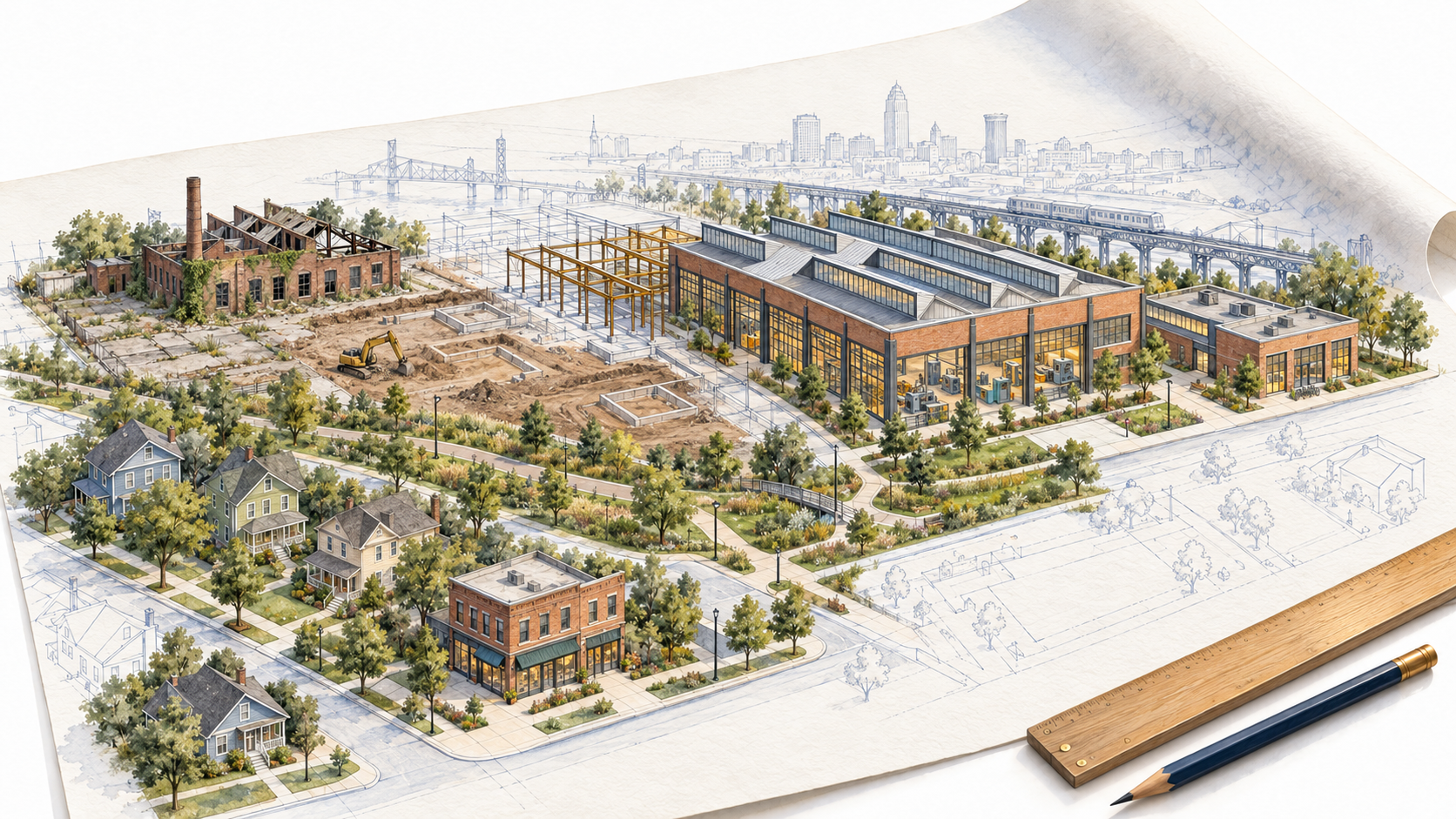
From Conversation to Practice
What Project Leaders Can Do Next
The City of Cleveland, the Site Readiness for Good Jobs Fund, and the developers and employers involved in Midline have important roles in turning opportunity into practical benefits for residents. These recommendations ask them to involve residents early, connect local skills with paid work, and identify the people, resources, and timelines needed to act on what was heard.
Share Plans While
Choices Are Still Open
Explain what is proposed, what has been decided, and where residents can still influence the outcome. Share expected jobs, requirements, and timelines early enough for people to prepare.
Connect training to actual opportunities and identify the practical support people need to participate. Make those commitments part of the project’s budget and schedule.
Fund a Workable
Way In
Connect With Skills Already Here
Identify local workers, contractors, and businesses that could contribute. Make hiring and contracting opportunities clear, with a named person who can help people navigate the process.
Plan for Current
Residents to Benefit
Address housing affordability, support for existing businesses, and access to services as part of the development plan. Consider people who are not seeking employment as well as those who are.
Explain how residents’ input affected decisions, what could not be changed, and why. Give each commitment a responsible person and a date for an update.
Show What Changed
Does This Reflect
Your Experience?
What feels familiar here? What is missing, or needs to be understood differently? If you took part in the conversation, we welcome your corrections and additions. Your perspective can help make this reflection more accurate.
Tell Us What We Missed
About Breaking Bread Together
and This Report
Breaking Bread Together is an initiative begun by Governor David Beasley. ACT NOW/SAI convenes, organizes, and facilitates the initiative on behalf of the Beasley team. Support from the Rockefeller Foundation, the Walmart Foundation, and private donors enables SAI to implement the project.
The Cleveland gathering brought together local partners including the City of Cleveland, Strategic Nonviolence Academy, and the Site Readiness for Good Jobs Fund, the organization leading Midline’s industrial redevelopment.
Möbius Dynamics contributed dialogue design and co-facilitation and developed this report’s analysis, visual interpretations, and presentation from the recordings and handwritten material received.
This online edition is hosted by The Future of Dialogue, Möbius Dynamics’ public platform for dialogue and shared learning.